
REVIEW · BARBADOS
St. Nicholas Abbey Heritage Great House and Rum Distillery Tour
The most memorable part of St. Nicholas Abbey is the way one visit links several eras of Barbados. You move from a 1658 Jacobean Great House and Amerindian artifacts to plantation machinery, a 1930s film, and a working rum distillery. I like the freedom to set your own pace, and I like that the experience includes both a rum tasting and a complimentary drink. The main consideration is timing: the advertised visit can take 45 minutes to 1 hour 30 minutes, and you may need longer if you add lunch, the train ride, or time in the gardens.
I also like the small-group feel when the house tour is not busy. Guides such as Meghan and Simon have been singled out for clear explanations, quick answers, and a good sense of humor. The café can be slow at times, so I would not plan a tight taxi pickup after ordering lunch.
Key points to know before you go
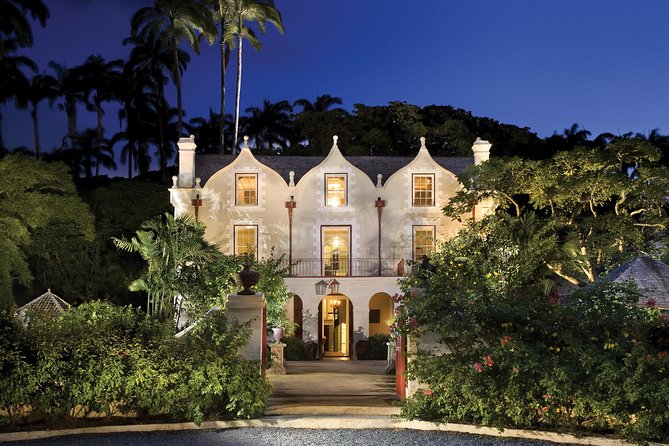
- The 1658 Jacobean house gives you a close look at early Barbados architecture, furnishings, china, and plantation life.
- The 1930s plantation film adds a rare personal record of Barbados and makes the visit more than a walk through old rooms.
- The working steam mill shows how sugar cane was processed, with machinery dating to about 1890.
- The rum tasting is included, along with a complimentary drink, though the tasting portions may be modest.
- The visit is flexible, but the house, film, distillery, café, gardens, and train can turn a short stop into a half-day outing.
- Taxi planning matters, since the abbey is outside the main resort areas and you need enough time for the full visit.
A Barbados plantation house with several stories to tell
St. Nicholas Abbey is not just a grand old house with polished furniture. The site brings together several chapters of Barbados, from Amerindian settlement through the colonial period and the plantation economy that shaped the island.
The Great House dates to 1658 and is described as Jacobean, a style more often associated with England than the Caribbean. That date gives the building real weight. You are not looking at a recent recreation designed to look old. You are seeing a house connected to the early colonial period, with rooms and objects that help explain how people lived and worked on the island.
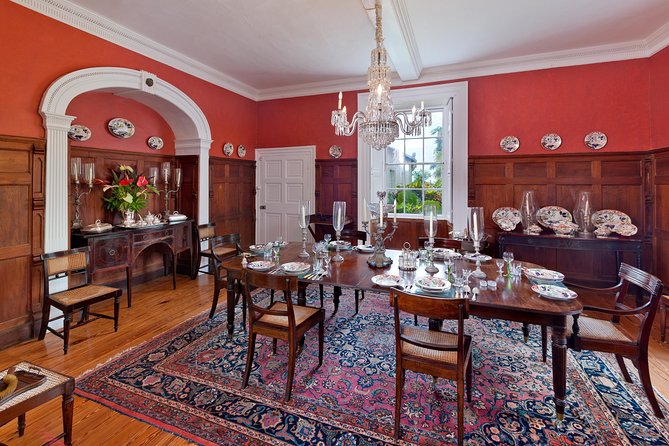
I find the house especially useful for visitors who want more than a beach break. The objects on display include china and artifacts linked to different periods of Barbados history. They give you small, concrete details that a broad history talk often misses.
The tour can be self-paced overall, while the Great House portion may include a guided explanation. That mix works well. You can listen closely where the story matters, then take your time with the rooms, displays, and gardens without feeling pushed along.
More Rum Distillery Tours in Barbados:
- Stade’s Rum Distillery Tour Experience
★ 5.0 · 109 reviews - Barbados: Rum Distillery Tour and Mount Gay Visitor Center
★ 4.7 · 97 reviews - Monkey Feeding & Historic Sugar Plantation & Rum Distillery
★ 4.7 · 31 reviews
What you see inside the 1658 Great House
The house is the central stop, and you should allow enough time to look beyond the main rooms. The architecture gives you the setting, but the furnishings and household objects make the visit easier to understand.
Pay attention to the china. It is one of the details that can be missed if you rush through. The collection helps show the social world of the plantation owners and the trade links that brought goods to Barbados.
The house also presents artifacts from the Amerindian period through colonial times. That wider range matters. It keeps the story from beginning and ending with the plantation owners, and it places the colonial house within a much older history of the island.
A good guide can make a large difference here. Meghan has been praised for handling detailed questions with ease, while Simon is known for bringing a lighter touch to the rum portion. The exact guide you meet will vary, but the best version of this visit is one where you ask questions rather than simply follow the route.
I would set aside about an hour for the core experience, then add time if you want to study the objects, visit the shop, eat at the café, or walk through the grounds. The stated duration ranges from 45 minutes to 1 hour 30 minutes, which is realistic for a basic visit but not for every extra activity.
The old film is worth making time for
One of the most unusual parts of the experience is the archival film about the plantation and Barbados. It is described as a rare film from the 1930s, and it shows plantation life in a way that modern displays cannot quite reproduce.
I would make a point of seeing it even if you are more interested in the house or rum. The film gives you faces, movement, work, and daily routines rather than only written explanations. It is also a useful reminder that the abbey is not just presenting a decorative old home.
The film has been praised as one of the strongest parts of the visit. That makes sense. Historic houses can sometimes feel static, with room after room of furniture. An old film adds a human record and helps connect the objects to the working plantation around them.
The date is sometimes described as 1930 and sometimes as 1937, so think of it as a 1930s record rather than focus too closely on the exact year. Either way, it is an uncommon piece of material and deserves more than a quick glance before the next stop.
From sugar cane to the steam mill
The sugar-processing section gives the visit a practical side. At the syrup factory, you can see a working steam mill dating to about 1890 and learn how sugar cane was crushed and processed.
This is where the plantation story moves from architecture to labor and production. The Great House shows the wealth and status created by the estate. The mill helps you understand the industrial work behind that wealth.
I like this part because machinery can explain a process more clearly than a display panel. You see the scale and mechanical character of the operation, rather than simply hearing that sugar cane was once processed here.
The equipment is also a strong draw for anyone interested in engineering, industrial history, or old machinery. You do not need a special background to appreciate it. The guide’s explanation fills in the practical details, while the equipment gives you something tangible to study.
The mill may be operating as part of the visit, but the information provided does not promise a full production demonstration every time. I would treat it as an important viewing stop rather than expect a long show built around the machinery.
More History Trips in Barbados:
- Villainous History and Rum Tasting Tour in York Indoor Experience
★ 5.0 · 111 reviews - Paraty: Historic Centre Walking Tour & Cachaça Tasting
★ 4.8 · 96 reviews - Historical Tour with Cachaça Tasting – BY PARATY TOURS
★ 5.0 · 40 reviews - Rum Tour: Exploring the Historic River Antoine Rum Distillery
★ 5.0 · 21 reviews
Rum made from cane at the artisan distillery
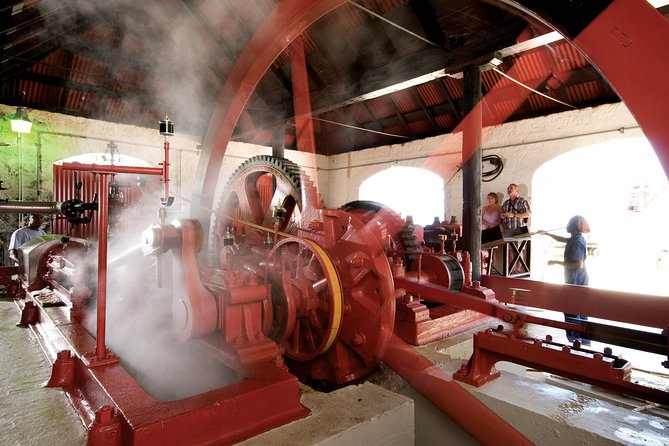
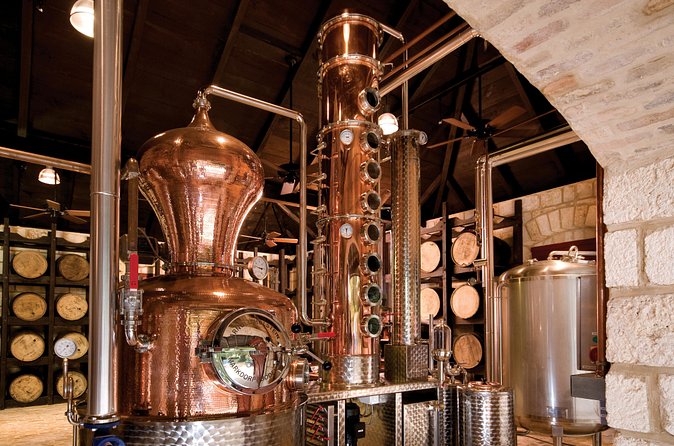
The rum distillery follows naturally from the sugar mill. Here, the story moves from cane and syrup to the finished spirit, taking you through the process from cane to bottle.
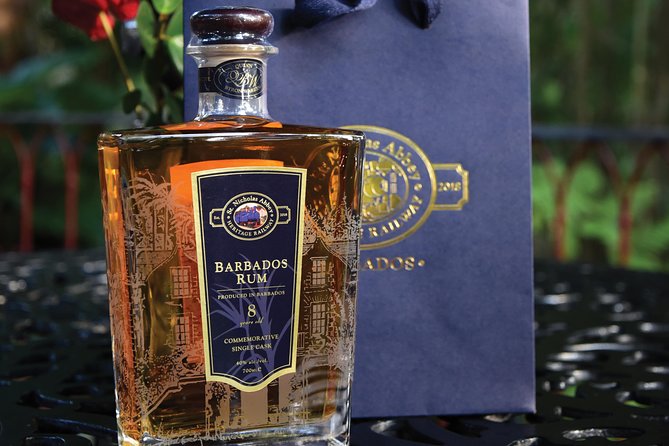
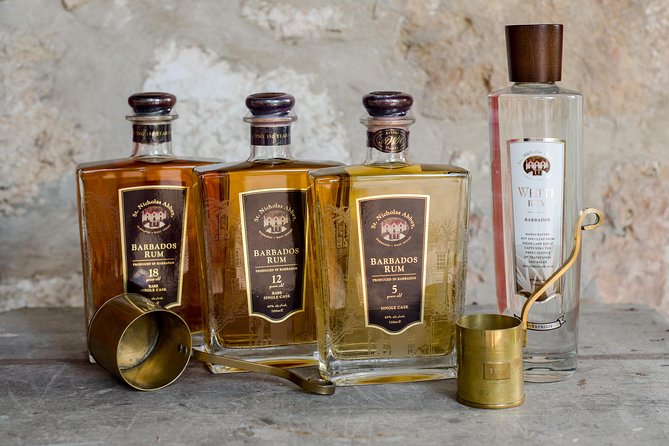
The visit includes a rum tasting and a complimentary drink. That makes the distillery more than a quick look at equipment. You get a chance to compare the history of production with the finished product in your glass.
The tasting portions may be small. One visitor felt the amount did not match the price, while other accounts found the rum part memorable, especially when Simon hosted it with humor and explanations about aged rum. I would keep expectations sensible: this is a tasting attached to a heritage visit, not a long bar session.
If you enjoy rum, ask questions about the age and character of what you taste. Simon has been noted for explaining aged rum in an engaging way. If you do not drink alcohol, the included complimentary drink may still make the stop worthwhile, but the experience is clearly built around rum as one of its main themes.
The distillery also gives the visit a stronger sense of place. Rum is closely tied to Barbados, and tasting it at a plantation site after seeing the cane-processing equipment makes the drink part of a larger story.
Gardens, views, and quiet corners
The property gives you room to slow down after the indoor exhibits. You can sit in the gardens or find a quiet area to reflect on what you have seen.
I would not rush straight from the rum tasting to the exit. The setting is one of the reasons the abbey feels different from a museum in town. The grounds give you a pause between the formal house, industrial machinery, and tasting room.
You may also find good views across the surrounding countryside. The exact view will depend on where you are standing and the day’s conditions, but the property itself is repeatedly noted for its setting.
This is a good part of the experience for couples, photographers, and anyone who prefers a slower pace. It also helps families divide the visit into manageable pieces. Children may not want to study every piece of china, but the machinery, film, gardens, and train offer different ways to stay interested.
The train, café, and gift shop
A vintage steam railway is part of the wider experience at St. Nicholas Abbey, and the train ride can add another layer to your visit. It is not the same as the main house and distillery tour, so you should allow extra time if you want to include it.
The train has been described as an added bonus rather than the central reason to come. I would agree. Visit the abbey for the house, plantation story, film, and rum, then treat the railway as an extra if the schedule works.
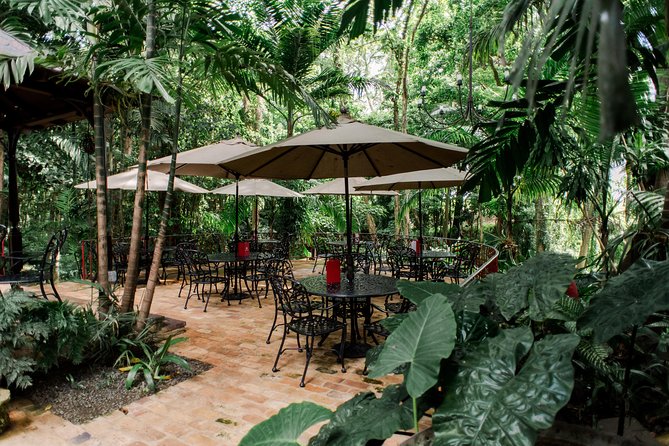
The terrace café gives you a place to sit after the tour. Lunch, coffee, and a rum punch have all been part of the experience for visitors, and the terrace is a pleasant way to extend the visit.
Service can be slow. One account describes a 20-minute wait before giving up on an order, so I would not schedule lunch if your taxi is already waiting or if you have another timed activity. If you have room in your day, the café can make the abbey feel like a longer outing rather than a quick attraction.
The gift shop is also available. It gives you a chance to browse after the tour, though the information provided does not specify the exact products or prices.
Is the $45 price fair?
At $45 per person, this is not the cheapest short attraction in Barbados. The value depends on how much of the property you use.
For the basic 45-minute visit, the price may feel high if you focus only on walking through the house and taking a small rum sample. That concern is fair. The tasting alone does not justify the admission for everyone.
The value improves if you treat the ticket as access to a full heritage visit. You are getting the Great House, house museum, historic objects, film, syrup factory, steam mill, rum distillery, rum tasting, and complimentary drink. Add the gardens, terrace café, shop, and possibly the train, and the visit can fill a good part of your day.
I would book it if you care about history, old buildings, rum, or plantation technology. I would hesitate if you want only a quick rum tasting or a low-cost activity near the beach.
The small maximum group size of 25 is another positive. It does not guarantee a tiny group, but it limits how crowded the organized part can become. Some visits have had only a handful of people, which allows more questions and a more personal exchange with the guide.
Getting there and planning your time
The meeting point is St. Nicholas Abbey in Saint Peter, Barbados, and the activity finishes back there. You make your own way to the property, so transportation needs a little thought.
If you use a taxi, arrange the return pickup with enough flexibility. Ask the driver to allow time for the house, film, distillery, gardens, café, and train if you want all of them. A rushed departure would cut short the very parts that make the admission worthwhile.
The listed visit takes about 45 minutes to 1 hour 30 minutes. I would plan beyond the upper end if you want lunch or a train ride. The property is better suited to an unhurried half-day than a tightly packed stop between other appointments.
Confirmation is provided at booking. Service animals are allowed, and the activity is described as suitable for most people. Free cancellation is available if you cancel at least 24 hours before the start time. Changes or cancellations inside that window are not refunded.
Who will enjoy St. Nicholas Abbey most?
I would recommend this experience to:
- History-minded visitors who want Barbados beyond the resort strip.
- Rum fans who want to connect the drink with cane, syrup, and plantation production.
- Architecture lovers interested in a 1658 Jacobean house.
- Families who need several types of stops, including machinery, film, gardens, and a possible train ride.
- Visitors with a flexible morning or afternoon who can stay for the café and grounds.
I would be less enthusiastic for anyone looking only for a polished luxury-house tour. The site is also an ongoing restoration project, so you should expect a historic property in care and development rather than a flawless modern attraction.
Should you book this Barbados heritage tour?
Book St. Nicholas Abbey if you want a layered visit that combines a 1658 house, plantation history, a rare 1930s film, old sugar machinery, rum production, and scenic grounds. The strongest parts are the house explanations, the archival film, and the way the mill and distillery connect the past to something you can see and taste.
Go in with realistic expectations about the tasting size and café service. Give yourself more than the minimum 45 minutes, arrange a flexible taxi pickup, and add the train only if your schedule allows.
For a visitor who wants history with a drink at the end, this is a worthwhile Barbados outing. For someone seeking only a quick and inexpensive tasting, the $45 price may not feel right.
FAQ
Where does the St. Nicholas Abbey tour begin and end?
The tour begins at St. Nicholas Abbey in Saint Peter, Barbados, and ends back at the same meeting point.
How long does the experience take?
The advertised duration is approximately 45 minutes to 1 hour 30 minutes. You should allow more time if you want to use the café, visit the gift shop, enjoy the gardens, or add the train ride.
Is rum tasting included?
Yes. The experience includes a rum tasting and a complimentary drink.
What can I see at St. Nicholas Abbey?
You can visit the 1658 Jacobean Great House, house museum, plantation film, syrup factory, working steam mill dating to about 1890, and artisan rum distillery.
Is the tour self-guided or guided?
The experience allows you to explore at your own pace, while the Great House portion includes a guided tour. The exact balance may vary during your visit.
Can I cancel for a full refund?
Yes. You can receive a full refund if you cancel at least 24 hours before the experience start time. Cancellations or changes made less than 24 hours before the start time are not refunded.
Just added around Barbados
- Barbados: Speightstown, St. Nicholas Abbey & Rum Tour★ 4.2 · 5 reviews
- Bridgetown: Stade’s Rum Distillery Tour★ 4.7 · 11 reviews
- Private All Inclusive Rum Journey in Barbados★ 5.0 · 15 reviews
- Monkey Zipline and Rum Tasting Tour at Harrison’s Cave by Chukka★ 5.0 · 14 reviews
- Barbados Highlights and Rum Tour★ 4.5 · 17 reviews
- Barbados: Trail, Tram & Rum Experience★ 3.7 · 22 reviews
- From Saint James/Christ Church: The Story Of Rum Tour★ 4.5 · 19 reviews
- Monkey Feeding & Historic Sugar Plantation & Rum Distillery★ 4.7 · 31 reviews
Rum Distillery Tours, compared.
Full-Day Tour: Concord Waterfall, Chocolate Factory, Rum Distillery, Grand Etang
Read our review →

Bundaberg Rum Behind The Scenes Distillery Tour And Museum Experience
Read our review →
Jungle Waterfalls and Cachaça Distillery Jeep Tour
Read our review →
Kō Hana Hawaiian Rum Distillery Tour and Tasting for One
Read our review →
Rum Distillery Tour and Mount Gay Visitor Center
Read our review →Browse the lists this tour appears in