
REVIEW · DOMINICAN REPUBLIC
San Pedro De Macoris: Ron Barcerló Rum Factory Tour
Ron Barceló’s factory tour takes you past real production areas, not just polished display cases. You’ll see barrels being prepared, rum aging in storage rooms, tanks being filled, and bottles moving through the plant when operations are running. The museum and tasting bar finish the visit with a useful look at how Dominican sugar cane becomes a finished spirit.
I like the working-factory access and the small museum, which gives the brand’s story some context without taking over the day. I also like the price: at $20, the tour includes a guided visit, entry to the Historic Center, and rum tastings. The main drawback is practical: the factory is hard to spot, transportation is not included, and you must climb a 25-step staircase.
Key points before you book
- See production areas up close: The route can include aging cellars, barrel preparation, tanks, bottling, and packaging.
- Choose your tasting style: The standard visit includes Añejo tasting, while the Imperial option offers a more focused tasting inside the aging cellar.
- Expect strong guides: Juan Carlos, Leonardo, and Luis have led visits in English, French, and Spanish, with additional language availability.
- Leave time for the shop: Rum prices at the factory can be lower than elsewhere, making the final stop more than a souvenir browse.
- Plan your ride carefully: The meeting point is remote, and there is no included transport to or from the factory.
- Wear proper shoes: Closed-toe shoes are required, while sandals, flip-flops, and high heels are not allowed.
From sugar cane to a bottle of rum
The useful part of this tour is that you follow the rum through several stages instead of hearing only a short brand speech. Ron Barceló presents both older and newer methods, so you can connect traditional barrel work with the machinery used for filling, bottling, and packing.
The tour explains harvesting, distilling, aging, and the way the final product is prepared for sale. You do not need to be a rum expert to follow it. The guide gives you the basic framework first, then the factory rooms make the process easier to understand.
I like this order because it turns a familiar bottle into a series of physical steps. Sugar cane is not just an ingredient mentioned in passing. The tour shows how storage, wood, time, and production equipment all affect what eventually reaches the tasting glass.
The factory is described as an eco-friendly company focused on premium rum production. The tour gives you a chance to see that operation in person, though the exact areas running on the day can vary. Steve’s visit took place when the bottling plant was closed, but he still found the tour worthwhile. That is a useful warning: production is not a staged show, so some machinery may be quiet.
More Rum Distillery Tours in the Dominican Republic:
- San Juan: Casa Bacardi Distillery Tour
★ 4.7 · 1,363 reviews - Full-Day Tour: Concord Waterfall, Chocolate Factory, Rum Distillery, Grand Etang
★ 5.0 · 871 reviews - Topper’s Rhum Distillery Tour in St Maarten
★ 5.0 · 784 reviews
The aging cellar: wood, time, and evaporation
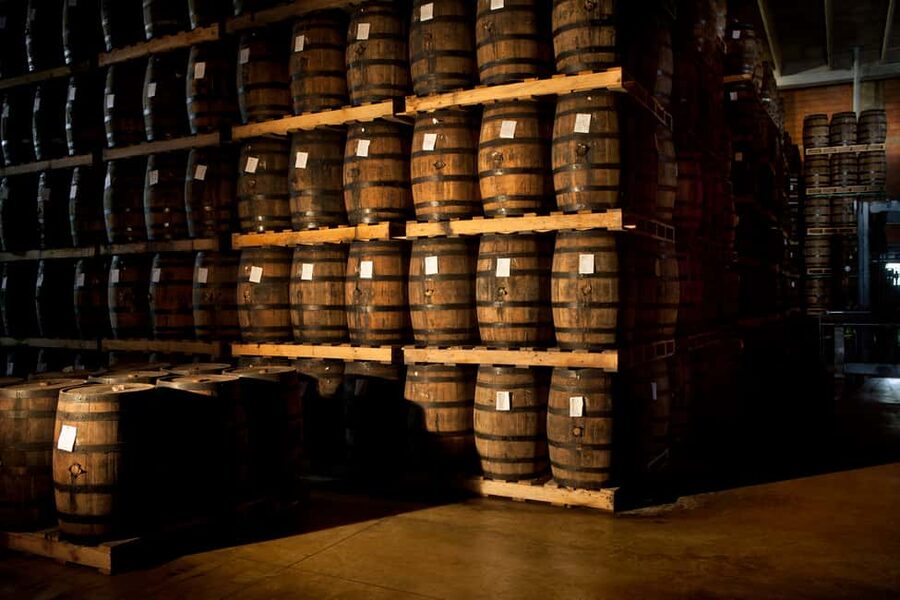
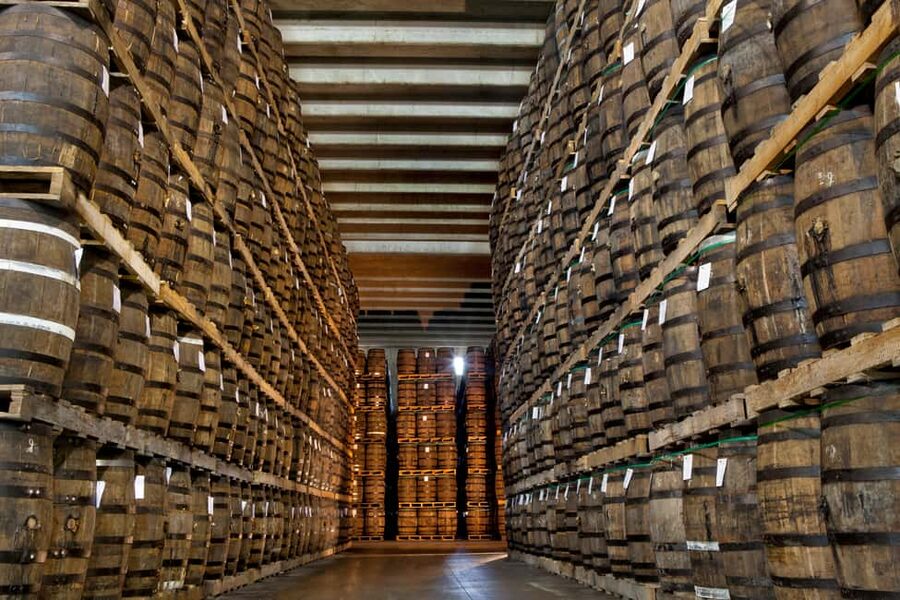
The aging cellar is one of the most memorable parts of the route. This is where barrels hold rum as it matures, and your guide explains the evaporation process. Some of the spirit naturally disappears over time, a detail that helps explain why aging is not simply a matter of leaving bottles on a shelf.
The standard route allows you to visit the aging cellar as part of the factory tour. If you choose the Imperial option, the tasting takes place inside the cellar itself. That makes the premium version more than a larger pour. You get a setting that connects the drink directly with the barrels and the aging process.
The cellar also gives you a better sense of scale. You are not looking at one display barrel behind glass. You are seeing storage areas used in daily production, with the smell and appearance of the wood forming part of the experience.
The tradeoff is that the cellar is an industrial work area, not a quiet cocktail lounge. Wear closed-toe shoes and listen carefully to instructions. The 25-step staircase is another reason to think about your mobility before booking.
Barrel preparation is the hands-on highlight
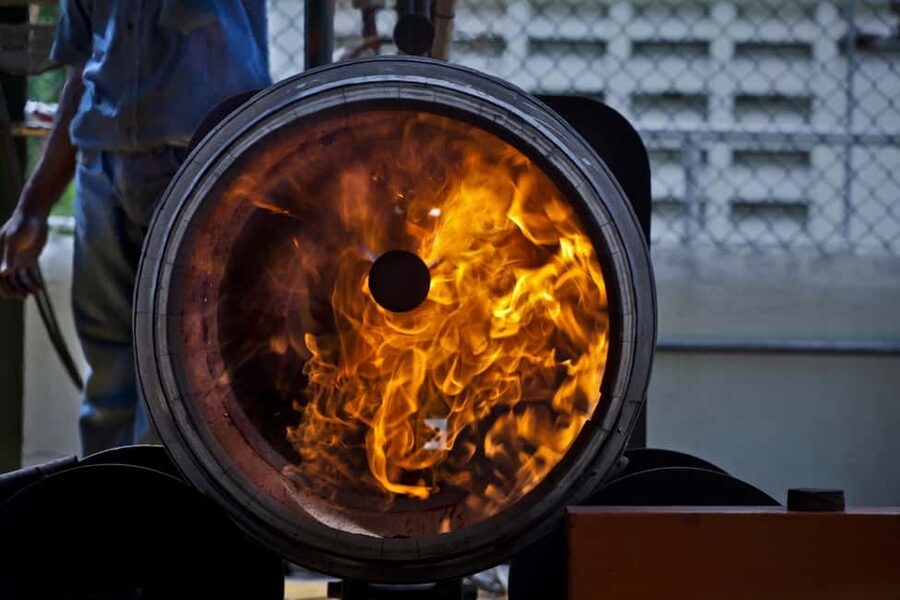
The barrel workshop adds an old-school touch to a modern factory. Here, you can see barrels being scraped and burned before they are used for aging. Those steps give you a clearer idea of how the wood is prepared before it influences the rum.
I find this stop especially useful because it shows that the barrel is not a neutral container. Its preparation forms part of the production method. You can then connect what you see in the workshop with the flavors sampled later at the tasting bar.
The workshop also breaks up the machinery and storage areas. You move from large-scale operations to a more physical process, where preparation depends on wood and careful work. It is the sort of detail that gives the tour a sense of place without turning it into a long technical lecture.
The exact pace depends on the group and the factory schedule. A small group is available, which can make it easier to ask questions. Guides such as Luis and Juan Carlos have been praised for explaining the process clearly and handling questions comfortably.
Tanks, bottling, and packaging
The factory route continues through the tank filling operation and, when open, the bottling and packaging areas. These stops show the final stages before the rum reaches stores and bars.
The tank area helps you see the volume of the operation. The bottling section then brings the process down to individual bottles, labels, and boxes. Together, the two areas explain how a rum producer moves from bulk liquid to a finished product ready for shipment.
Bottling is not guaranteed to be active every day. Seasonal timing or factory schedules can affect what you see. I would not cancel the tour simply because one line is closed, since the aging cellars, barrel workshop, museum, and tasting still provide the main substance of the visit. But if live machinery is your top reason for going, keep that limitation in mind.
The tour lasts about one hour in its standard form, with the Imperial option lasting up to 90 minutes. That is enough time for a useful introduction without taking over a full day in the Dominican Republic.
A few more rum tours around the Dominican Republic worth a look
- 101 Oliver Rum Tasting & Pairing And Taino Concept Store
★ 5.0 · 244 reviews - Punta Cana Oliver & Oliver Rum Tasting & Taino Concept Store
★ 4.6 · 146 reviews - Don Lucas Cigar Factory & Store + Premium Rum Tasting (3 hours)
★ 3.5 · 126 reviews - Puerto Plata Private City Tour with Mount Isabel & Rum &Chocolate
★ 4.5 · 123 reviews
The museum puts the factory in context
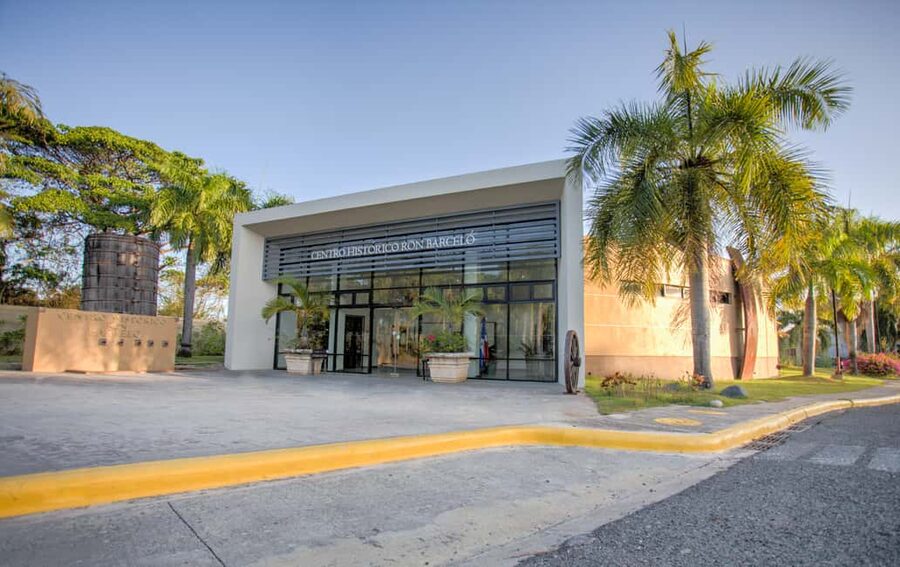
After the production areas, you visit the Centro Histórico Ron Barceló, described as the first center of its kind in the Dominican Republic. The museum covers the history of rum and the company, and a video adds more detail.
This is a compact stop, but it matters. The factory rooms show what happens now. The museum explains how the company developed and places the production process in a wider Dominican setting. You get a better sense of the brand before tasting its products.
The museum is small rather than grand. That is good news if you prefer a focused visit, but do not expect a major national museum. One useful detail is that the video gives additional company background after you have already seen the working areas. The sequence helps reinforce what you have just learned.
I would pay attention here even if you are mainly interested in rum tasting. The museum turns the visit from a shopping stop into a short lesson about production and brand development.
Añejo or Imperial: choosing the right tasting
The tasting is the reward at the end, but it also works as a practical test of what the tour has explained. The standard experience includes an Añejo rum tasting. The supplied details also list Imperial tasting, so the exact tasting lineup depends on the option you select and the day’s arrangement.
The Imperial version offers a 90-minute tour with access to a premium Barceló Imperial rum. A private guide leads the tasting inside the aging cellar and explains how to appreciate the rum. If you want more time with the spirit and prefer a quieter, more specialized setting, this is the stronger choice.
A standard visit makes more sense if you mainly want to see the factory and sample the product without paying for a longer format. One visit ended with three different rums, and additional samples were available for purchase. That suggests the tasting can be broader than a single sip, but you should check the option details at booking rather than assume the same lineup every time.
The tasting bar also gives you a chance to compare styles. You can ask the guide about the differences between the products and connect those differences to aging and barrel work. Drink slowly. The point is to notice the spirit, not to turn a factory visit into a race.
Why the $20 price works
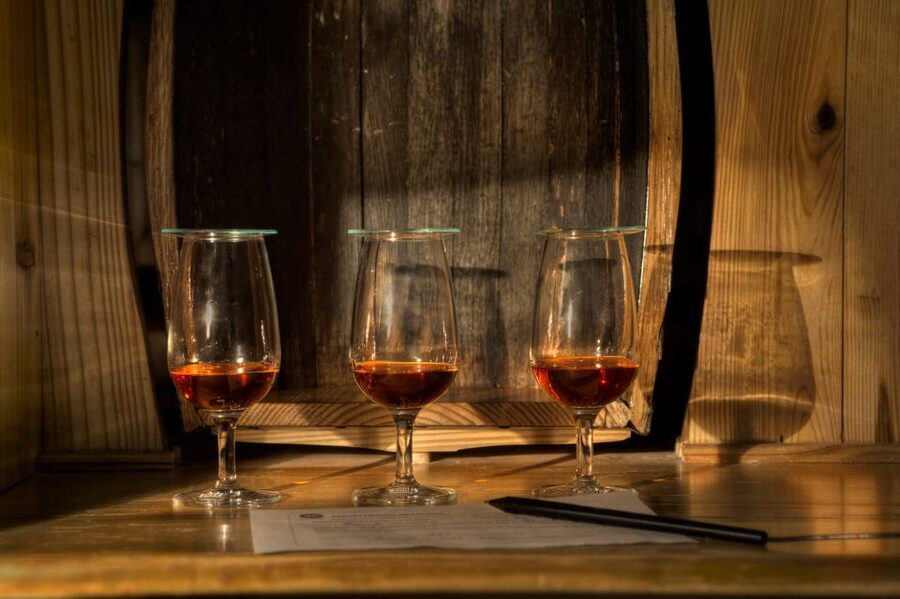
At $20 per person, this is a strong-value outing if you are already staying near San Pedro de Macorís or can arrange an affordable ride. You receive a guide, entry to the Historic Center, a factory route, and rum tasting. The visit also lasts up to 90 minutes in the Imperial format.
The value comes from access rather than luxury. You are paying for a look at production areas, a museum, and a tasting, not for a full meal or an all-day excursion. Food is not included, and transportation is your responsibility.
The shop may improve the value for rum buyers. Prices there can be lower than in other places, so you may find it practical to purchase a bottle or Barceló merchandise after the tour. Compare what you want before buying, and remember that souvenirs still need to fit your luggage and travel plans.
The overall rating is 4.6 from 76 reviews, and the strongest praise centers on organization, guide quality, the variety of production stops, and the rum tasting. Those are the parts I would use to judge the tour, rather than expecting a resort-style attraction.
Getting to the factory and finding the entrance
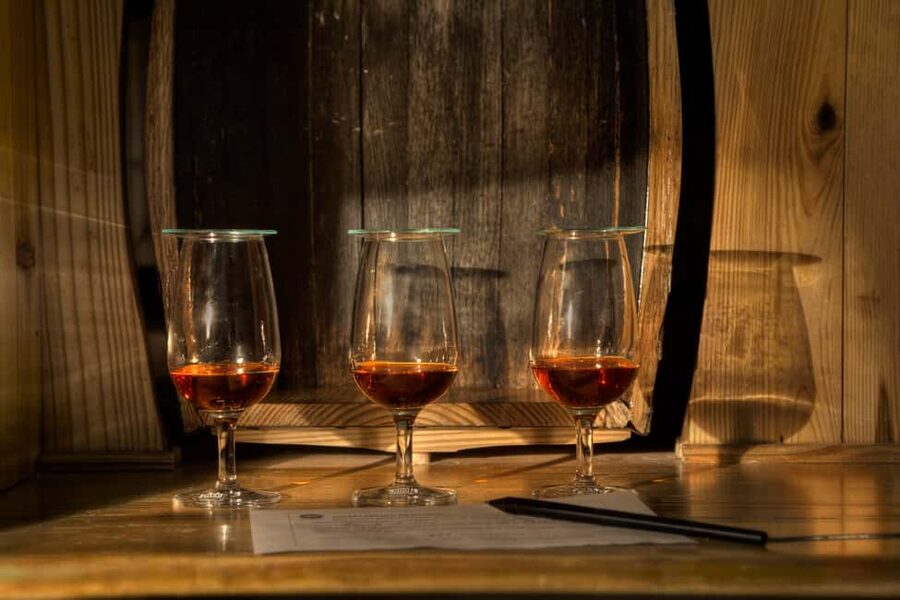
The meeting point is Ron Barceló, San Pedro de Macorís 21000, Dominican Republic. The listed coordinates are 18.5423793, -69.3855809.
You should arrange transportation before setting out. The factory is in a remote location, and no transfer to or from Centro Histórico Barceló is included. If you are traveling alone, plan your return ride in advance instead of assuming a taxi will be waiting outside.
The entrance can also be difficult to locate. There may be no clear sign or roadside indication, so use Google Maps and allow time to find the correct point. If you are relying on a driver, share the exact location and meeting details rather than only saying Ron Barceló.
This is the main logistical weakness of the visit. Once you arrive, the tour is organized, but getting there takes more planning than a city-center museum. The staff may help arrange a return ride, but you should not make that your only plan.
Languages, group size, and what to wear
Live guides are available in English, French, Spanish, German, and Italian. Actual guide assignment depends on the day, but Juan Carlos led an English visit with detailed explanations, Leonardo led a French visit, and Luis handled questions clearly during another tour.
A small group option is available. That matters in the factory because you may want to ask about barrels, aging, or the equipment without waiting behind a large crowd. A private guide is specifically associated with the Imperial tasting.
Wear closed-toe shoes. High heels, sandals, and flip-flops are not allowed, and sharp objects and weapons are prohibited. Bring a passport or ID card, as it is listed among the required items.
The staircase is worth taking seriously. You must climb 25 steps, so this is not a fully flat route. The supplied information does not provide further accessibility details, so contact the provider before booking if stairs are a concern.
Who will enjoy this tour most
I would recommend Ron Barceló’s factory visit to you if you want a short, structured activity with a clear local product at its center. It suits rum drinkers, people curious about food and drink production, and anyone looking for something different from a beach day.
It also works well for families with older children, provided they can manage the stairs and follow factory safety rules. The museum and machinery give non-drinkers something to look at, though the tasting remains a central part of the visit.
The Imperial option is better for a rum enthusiast who wants time in the aging cellar and a more personal explanation. The standard tour is the practical pick for most people, especially if you want the factory, museum, tasting, and shop without stretching the visit to 90 minutes.
I would think twice if you have no way to reach the remote meeting point, dislike industrial tours, or expect every production line to be operating. This is a working facility, so the experience can change with the schedule.
Should you book Ron Barceló?
Book it if you can arrange transportation and want an affordable look at how Dominican rum is made. The barrel workshop, aging cellar, museum, and tasting give the hour real substance, and the $20 price is hard to fault for that mix.
Choose the Imperial format if the tasting matters most and you like the idea of sampling inside the aging cellar with a private guide. Choose the standard format if you mainly want to understand the production process and buy rum at the factory shop.
I would not book this as a last-minute stop without checking the route, the starting time, and which production areas are operating. Plan the ride, wear proper shoes, and use the map coordinates. With those details handled, this is a practical and enjoyable way to spend part of a day near San Pedro de Macorís.
FAQ
Where is the Ron Barceló factory tour located?
The meeting point is Ron Barceló, San Pedro de Macorís 21000, Dominican Republic. The listed coordinates are 18.5423793, -69.3855809.
How long does the tour take?
The standard tour takes about one hour. The Imperial option lasts up to 90 minutes.
What does the tour include?
The tour includes a guide, entry to Centro Histórico Ron Barceló, and rum tasting. The listed inclusions specify Añejo and Imperial tasting.
Is transportation included?
No. Transportation to and from Centro Histórico Barceló is not included, so you need to arrange your own ride.
Which languages are available?
Guided tours are available in English, French, Spanish, German, and Italian.
What should I bring?
Bring a passport or ID card and wear closed-toe shoes.
Are sandals or high heels allowed?
No. High heels, sandals, and flip-flops are not allowed.
Are there stairs on the tour?
Yes. You must climb a 25-step staircase.
Can I cancel the booking?
You can cancel up to 24 hours in advance for a full refund. A reserve-now, pay-later option is also available.
Just added around the Dominican Republic
- Whale watch tour from Santo Domingo with Bacardi Island and lunch included★ 4.5 · 5 reviews
- Punta Cana to Samana: El Limon Falls and Bacardi Island★ 4.5 · 10 reviews
- Samana Bay: Bacardi Island and Limon Waterfall★ 3.0 · 2 reviews
- Punta Cana: Samaná, Lemon Falls and Bacardi Island★ 4.5 · 8 reviews
- Punta Cana Whale Watching and Bacardi Island Day Trip★ 3.5 · 3 reviews
- Los Haitises National Park, Montaña Redonda & Bacardi Island★ 4.5 · 9 reviews
- Samana: Bacardi Island and El Limon Waterfall★ 4.0 · 6 reviews
- Guided Shopping Tour – Rum tasting, chocolate factory, Cigar factory★ 4.5 · 6 reviews
Rum Distillery Tours, compared.
Full-Day Tour: Concord Waterfall, Chocolate Factory, Rum Distillery, Grand Etang
Read our review →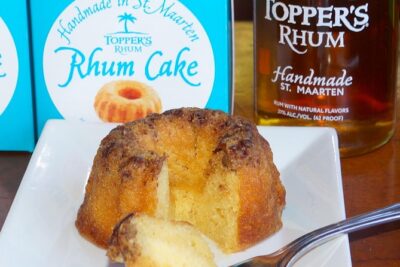

Bundaberg Rum Behind The Scenes Distillery Tour And Museum Experience
Read our review →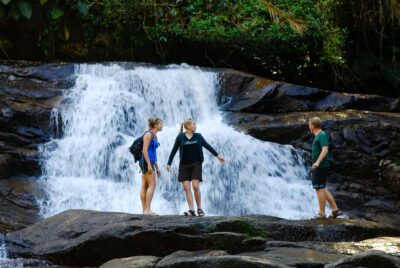
Jungle Waterfalls and Cachaça Distillery Jeep Tour
Read our review →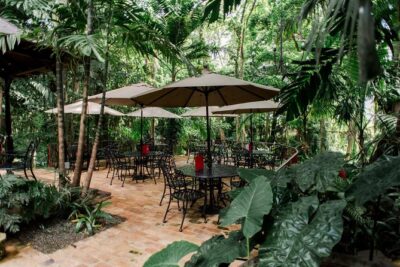
St. Nicholas Abbey Heritage Great House and Rum Distillery Tour
Read our review →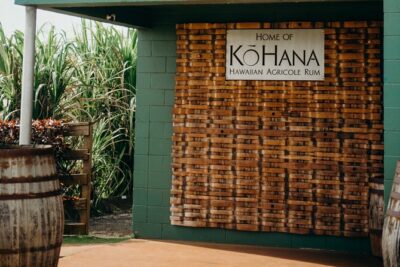
Kō Hana Hawaiian Rum Distillery Tour and Tasting for One
Read our review →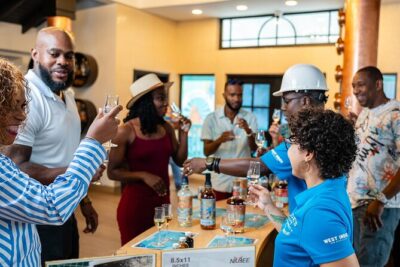
Browse the lists this tour appears in