
REVIEW · RUM TOURS
Experience South African Craft Rum tasting and distillery tour in Cape Town
Cape Town’s craft-rum story starts in an unexpected place: a small distillery tucked into a quiet courtyard on Voortrekker Road. The tour takes you from molasses to finished rum, with time to smell the spices and wood used in production before sitting down to taste the results.
I like two things in particular. First, the tasting is not an afterthought: you try three rums neat and paired with mixers, then talk through the flavors you notice. Second, the group is capped at 10 people, so the visit feels more personal than a large factory tour. The main drawback is simple: the whole visit lasts about an hour, so anyone seeking a long distillery day will find it brief.
Key points to know before booking
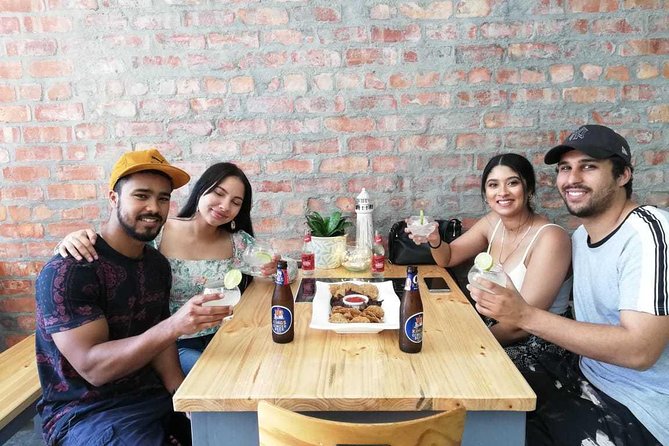
- Cape of Storms Distilling Co. is a small, family-run craft rum producer in Salt River.
- Wayne leads the visit, sharing rum stories with a witty, approachable style.
- Three rums are included, served neat and with mixers.
- The production area comes first, including molasses, spices, and aging wood.
- The group limit is 10 people, useful if you prefer conversation over a crowd.
- The price is about $13.10 per person, making this an easy add-on to a Cape Town day.
Starting in Salt River at a small family distillery
The meeting point is 100 Voortrekker Road in Salt River, Cape Town. The distillery sits in a quiet courtyard rather than presenting itself as a grand visitor complex. That modest setting is part of the appeal. You are visiting a working small-batch producer, not walking through a polished museum built for large crowds.
You begin with introductions and a short account of rum’s story and local production. Wayne is the guide named for the tour, and the visit has a conversational feel rather than a formal lecture. His style is described as witty as well as well-informed, which matters during a technical subject that can become dry very quickly.
The location is near public transportation, but the supplied information does not specify a particular bus or train route. You should check your route to 100 Voortrekker Road before setting out, especially if you are fitting this into a packed day in Cape Town.
The mobile ticket is convenient. You can keep the booking on your phone and go straight to the meeting point. Confirmation arrives at booking, so you have the basic details in hand before the visit.
More Rum Distillery Tours in the world:
- San Juan: Casa Bacardi Distillery Tour
★ 4.7 · 1,363 reviews - Full-Day Tour: Concord Waterfall, Chocolate Factory, Rum Distillery, Grand Etang
★ 5.0 · 871 reviews - Topper’s Rhum Distillery Tour in St Maarten
★ 5.0 · 784 reviews
The first lesson: rum begins with molasses
The production portion gives the tour its real value. Instead of jumping directly to a bar-style tasting, you are taken into the distillery area and shown how the rum is made.
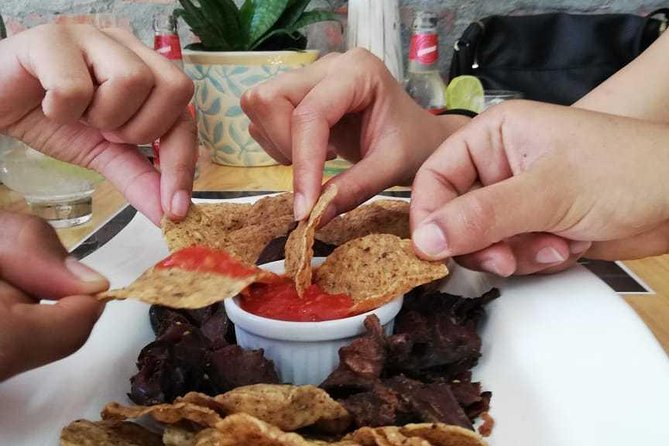
One useful touch is the chance to taste the molasses used by the distillery. Molasses is the starting material for these rums, and tasting it helps you understand that the finished spirit does not appear from nowhere. It begins with a dark, dense ingredient whose sweetness and weight are transformed during production.
You also get to smell the spices and wood used in the rum-making process. Smell is a practical part of learning here. Before you taste the finished drinks, you have a chance to think about the raw aromas that may later appear in the glass.
The information provided does not give a full technical breakdown of fermentation, distillation, or aging times. That is worth knowing if you are a serious spirits student looking for exact production figures. This visit is better suited to people who want a clear introduction, behind-the-scenes access, and a chance to connect ingredients with flavor.
I like that the tour uses several senses. You hear about rum, see the production area, taste molasses, and smell the materials that shape the final spirits. In one hour, that approach gives you more to remember than a simple explanation followed by three small pours.
Three Cape of Storms rums in the tasting room
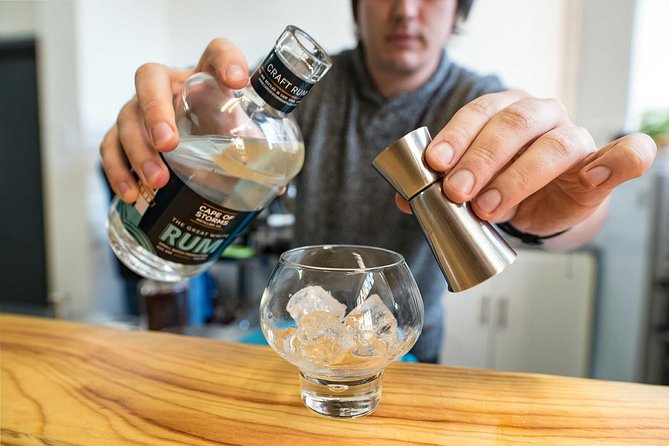
After the production-area visit, you return to the tasting room. This is where the tour moves from process to pleasure, with three rums currently in production.
Each rum is served neat first. That lets you consider the spirit without anything added. You can pay attention to aroma, sweetness, heat, texture, and the way the flavor changes after the first sip.
The rums are then paired with mixers. This second serving style is important because neat rum and mixed rum can behave quite differently. A spirit that feels bold on its own may become softer or more refreshing with a mixer. The comparison gives you a practical idea of how you might drink each bottle later.
The tasting is also interactive. You discuss the flavors you pick up and your overall impression. You do not need to arrive with a trained palate. The point is not to identify every spice with perfect accuracy. It is to notice what you like and to hear how other people experience the same drink.
The three rums are said to be tasty, but the available details do not list their names, alcohol strengths, or exact flavor profiles. If you want to buy a particular bottle afterward, ask what is currently being made on the day of your visit. Small producers can change their range, and the advertised selection is limited to the rums in production at that time.
Why the small group matters
The maximum group size is 10 people. That is small enough to keep the visit manageable and large enough to create a little conversation around the tasting.
For you, the main benefit is access to the guide. Questions are less likely to disappear into a crowd, and the discussion about flavors can stay connected to what you are drinking. Wayne’s role appears especially important because the tour depends on explanation and conversation rather than a long list of displays.
A small group also suits the distillery itself. A compact production space can feel crowded when packed with people. A 10-person limit gives the visit a better chance of feeling like a personal look at a working business.
The group size is not a guarantee that every tour will feel private. Ten people can still make a tasting room lively, and the available details do not promise private tours. If you want a one-on-one appointment, this is not advertised as that kind of visit.
Still, the cap is a strong feature for the price. You are not paying for a huge attraction with dozens of participants. You are paying for a short introduction led by a guide who can speak about the product and respond to questions.
More Rum Tastings in the world:
- Eastern Madeira: Full-Day Tour with Rum Tasting
★ 4.7 · 1,575 reviews - Rum Tasting Tour at Casa BACARDÍ in Puerto Rico
★ 4.5 · 1,095 reviews - Rum Tasting and Food Walking Tour in Nassau Bahamas
★ 5.0 · 1,030 reviews - Rio: Pub Crawl in Lapa with Cachaça Tasting and Live Samba
★ 4.7 · 881 reviews
A family-run approach to Cape Town rum
Cape of Storms is described as a family-run, small-batch distillery. That changes the character of the stop. The focus is on the people making the rum and the choices behind the spirits, not only on the drink in front of you.
A small-batch producer also gives you a more direct sense of scale. You are learning about rum from a business making its own products in a local setting. For anyone interested in Cape Town’s craft-drink scene, this is more useful than tasting an anonymous international brand.
The tour also shares the distillery’s philosophy for making rum. The supplied details do not spell out every part of that philosophy, so you should expect to hear it explained during the visit rather than treat it as a fixed set of claims. That is another reason to ask questions while you are there.
I particularly like the balance between story and substance. You learn about rum’s background, but you also handle the ingredients through tasting and smell. You get a look at the production area, then test the finished product. The sequence makes sense.
Is $13.10 good value for one hour?
At about $13.10 per person, this is priced as an affordable short activity. The cost includes the guided tour, the production explanation, and three rum tastings served both neat and with mixers.
That is good value if you already enjoy rum or want a compact introduction to Cape Town’s small-scale drinks scene. You are getting more than three bar pours because the visit explains what goes into them and lets you see the place where they are made.
The value is also helped by the small group size. A low price can feel less attractive if it comes with a crowded room and little contact with the guide. Here, the maximum of 10 people gives the fee more weight.
You should keep your expectations in proportion. This is a one-hour activity, not a half-day distillery course. It does not include additional items beyond the stated tour and alcoholic beverages. If you are mainly looking for a substantial meal, a long technical workshop, or a broad range of spirits, you will need another plan.
For most visitors, the best way to use it is as one stop in a Salt River or Cape Town day. It is short enough to fit around other plans, and the price is low enough that you do not need to sacrifice a major attraction to make room for it.
Who will enjoy this tour most?
This visit fits adults who like craft drinks, local producers, and relaxed conversation. It is also a good choice for anyone who wants to understand rum before ordering it in a bar.
You will probably get the most from it if you enjoy comparing flavors. The tasting invites you to notice what changes when the rums are served neat and with mixers. You do not need specialist knowledge, but curiosity helps.
It suits couples, small groups of friends, and solo visitors who are comfortable joining a shared activity. The 10-person cap keeps it from becoming a large event, while the tasting discussion gives solo visitors a natural way to take part.
The tour may be less suitable for anyone who does not drink alcohol. Alcoholic beverages are included, and the tasting is central to the visit. The available information does not say whether nonalcoholic alternatives are offered, so you should ask the provider before booking if that matters to you.
Service animals are allowed. The experience is near public transportation, though exact transport instructions are not supplied.
Practical timing, cancellation, and planning advice
Allow about one hour for the activity itself. Since it begins and ends at 100 Voortrekker Road, you should plan your own transport before and after rather than expect a transfer to another Cape Town attraction.
The activity ends back at the meeting point. That makes it easy to continue your day from Salt River, but the tour does not include onward transportation.
Book ahead if your schedule is tight. The experience is booked, on average, 11 days in advance, and the small group limit can matter on popular dates. You receive confirmation at the time of booking, and the mobile ticket means you do not need a printed voucher.
The cancellation rule is friendly but firm. You can cancel for a full refund up to 24 hours before the local start time. Cancellations or changes made less than 24 hours before the start are not accepted for a refund.
Because rum is served, plan your day sensibly. The tour includes tasting rather than a full drinking session, but you are still sampling three alcoholic products. If you are driving, arrange an alternative way to get around.
What makes this stop memorable
The strongest part of the visit is the link between the ingredients and the finished drinks. You taste molasses, smell the spices and wood, then taste three rums. That progression gives you a clear way to think about production without turning the hour into a technical course.
The other strong point is the guide. Wayne’s witty style helps keep the talk lively, while his explanations give the tasting a purpose. The visit works best when you ask questions and share what you notice in the glass.
I also like the setting. A quiet courtyard and a small family-run distillery feel more personal than a large commercial attraction. You get a glimpse of a local business making its own products, with the owners and guide close to the experience.
The limitation is the small amount of published detail about the individual rums. You know there are three, and you know they are served neat and with mixers, but you are not given a detailed menu in advance. That is not a major problem for a casual tasting, but spirits enthusiasts may want more information before committing.
Should you book the Cape Town rum tour?
You should book this if you want a short, affordable, local tasting with a look behind the scenes. The combination of a small group, three included rums, ingredient samples, and a guide with a lively style gives the hour real substance.
I would especially recommend it to curious drinkers who want more context than a bar can provide. You will see where the rum is made, hear how the process works, and compare the spirits in two serving styles.
Skip it if you do not drink alcohol, need a long technical workshop, or want a major sightseeing attraction with a large collection of exhibits. For everyone else, the $13.10 price makes this an easy addition to a Cape Town itinerary, particularly if Salt River is already on your route.
FAQ
Where does the rum tour start?
The tour starts at 100 Voortrekker Road, Salt River, Cape Town, 7925, South Africa.
Where does the activity end?
The activity ends back at the meeting point at 100 Voortrekker Road.
How long does the experience last?
The tour lasts approximately one hour.
How many people can join the tour?
The tour has a maximum group size of 10 people.
How many rums are included?
You taste three rums made by the distillery.
Are the rums served neat?
Yes. The three rums are served neat and paired with mixers.
What happens during the distillery tour?
You receive an introduction to rum, visit the production area, learn about the rum-making process, taste the molasses used, and smell the spices and wood used in production.
Is public transportation available near the distillery?
The distillery is near public transportation, but specific routes are not provided.
Are service animals allowed?
Yes, service animals are allowed.
Can I cancel for a full refund?
Yes, you can receive a full refund if you cancel at least 24 hours before the experience’s start time. Cancellations or changes made less than 24 hours before the start are not accepted.
Just added around the world
- Kombucha Rum and Craft Beer Private Tour★ 3.5 · 6 reviews
- Appleton Estate Rum Tour and Tasting from Falmouth★ 4.5 · 2 reviews
- St Lucia Food & Rum Tasting – Rodney Bay Edition★ 5.0 · 10 reviews
- Rum Tasting Experience in the Old Barrel House★ 4.5 · 9 reviews
- Soufriere Excursion with Rum & Chocolate Tasting★ 4.5 · 11 reviews
- Rum & Chocolate Tasting Tour : Journey into Flavor★ 5.0 · 6 reviews
- Old San Juan and Rum Factory Full-Day Tour: Minimum 8+ people★ 5.0 · 10 reviews
- Old San Juan Private Tour with Barrilito Rum Experience★ 5.0 · 4 reviews
Rum Distillery Tours, compared.

Full-Day Tour: Concord Waterfall, Chocolate Factory, Rum Distillery, Grand Etang
Read our review →

Bundaberg Rum Behind The Scenes Distillery Tour And Museum Experience
Read our review →
Jungle Waterfalls and Cachaça Distillery Jeep Tour
Read our review →
St. Nicholas Abbey Heritage Great House and Rum Distillery Tour
Read our review →
Kō Hana Hawaiian Rum Distillery Tour and Tasting for One
Read our review →
Browse the lists this tour appears in