
REVIEW · GRAN CANARIA
Gran Canaria: Rum, Wines and Banana Tour
Gran Canaria’s best flavors come together on this full-day trip: banana, rum, wine, coffee, and mojo canario. You travel north by air-conditioned bus, moving from a working agricultural setting to the Arehucas distillery and then into the hills above Agaete.
I like the strong mix of tasting and local culture, and I like that guides such as Tom, Julia, and Yeray add island history during the drives. The main drawback is the long day on the road, especially if you are picked up in the far south or join a large coach with many hotel stops.
Key points to know before booking
- Banana farming comes first for many groups: Learn why bananas are so closely tied to Canarian identity, then taste fruit and banana-based products.
- Arehucas is the biggest tasting stop: The rum visit includes a proper factory tour and several samples, sometimes more than eight or ten varieties.
- Agaete supplies the scenic finish: You get time near Playa de las Nieves, followed by mountain views, local wine, coffee, and mojo-making.
- The guide can make or break the day: Tom, Julia, Yeray, and other multilingual guides have been praised for clear explanations and easy switching between English, Spanish, and German.
- Lunch costs extra: Plan on about €14 to €15 if you take the set meal, or use the free time to eat independently near the harbor.
- This is not a small, easygoing outing every day: Some departures use a large coach, and the walking, standing, and long transfers may not suit anyone with limited mobility.
A full day built around Gran Canaria’s pantry
For $81, this is not simply a series of tastings. You are paying for transport across northern Gran Canaria, several guided visits, samples, a multilingual guide, and a broad look at island farming and food culture.
I see the tour as a good choice if you want to understand how the island produces and presents its local goods. It also saves you from arranging separate transport to Arucas and Agaete, two areas that are awkward to connect in one day without a car.
The trade-off is pace. The tour lasts about eight hours including transfers, and pickup routes can stretch the day. If you are collected in the south, you may spend a long time gathering people from different resorts before the first main stop. One group reported more than three hours on the bus before reaching the first visit, with no toilet break, so this is worth considering when choosing your excursion.
More Wine Trips in the world:
- City Sight Seeing with Wine, Rum Cake and Conch Fritter Samples
★ 4.5 · 173 reviews - Banana Museum, Rum Distillery & Winery with Tasting: Premium tour
★ 4.5 · 62 reviews - Banana Museum, Rum Distillery & Winery guided tour with tasting
★ 5.0 · 12 reviews
Banana farms and the island’s everyday symbol
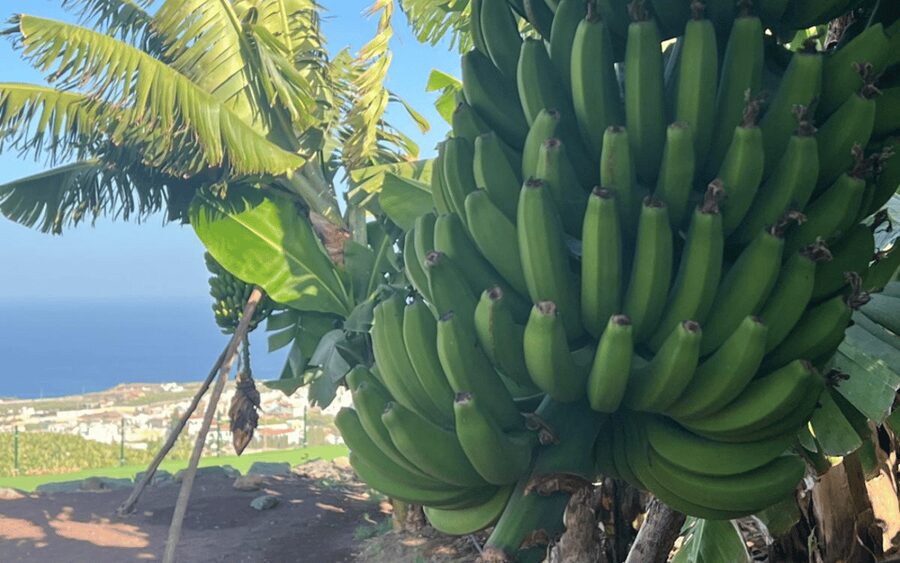
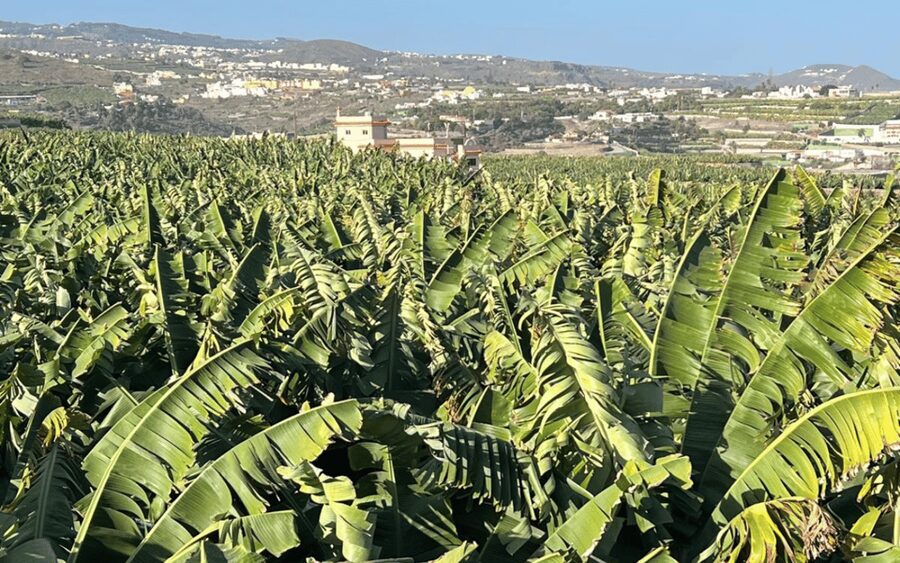
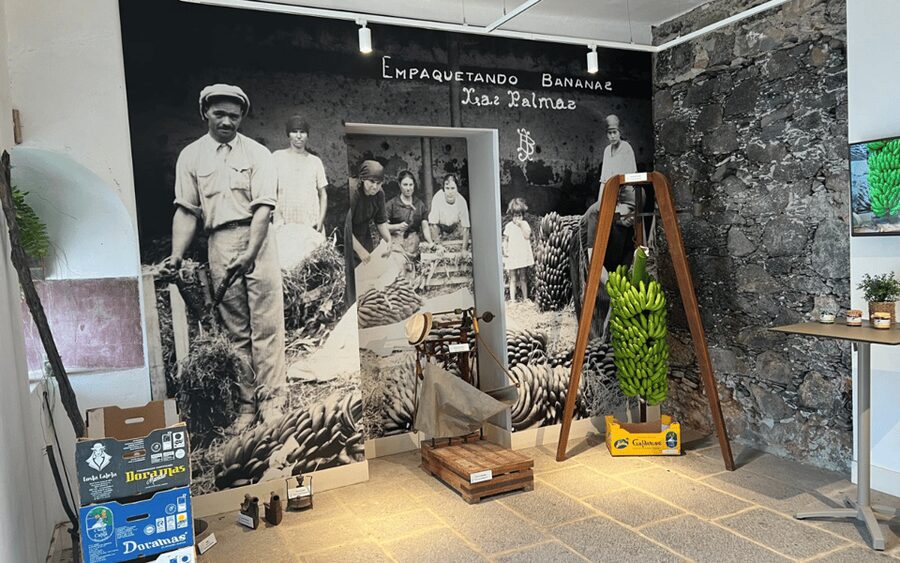
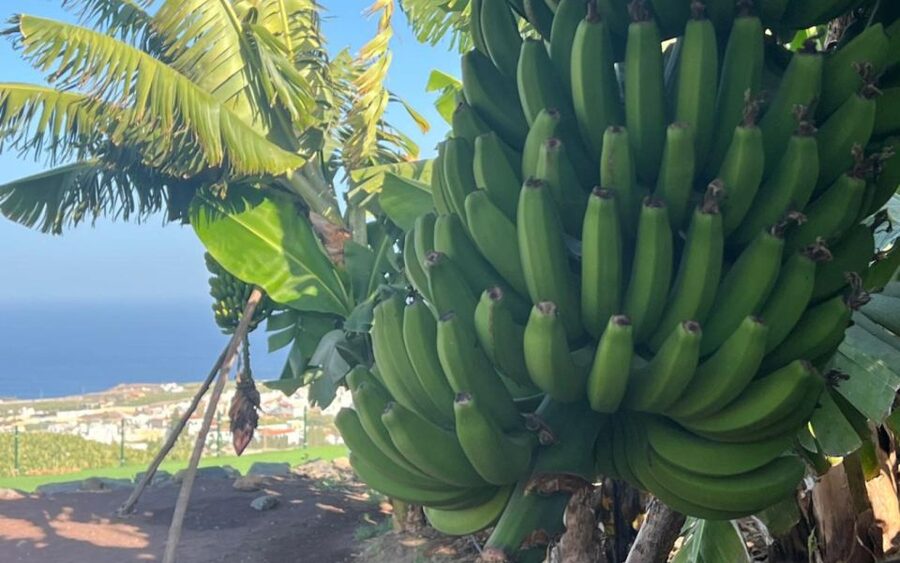
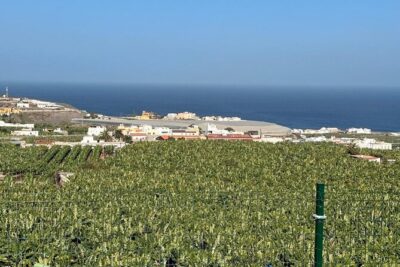
The banana stop gives the day its most local starting point. You learn how bananas arrived in the Canary Islands, how different varieties are grown, and why the fruit became part of Gran Canaria’s identity.
The visit is more than a quick sample. You may taste fresh bananas along with products such as banana wine, liqueurs, pâtés, and creams. These products show how a familiar crop can become a wider part of the local food trade.
I like this stop because it puts the later tastings into context. You see that Canarian food culture is not only about restaurants and souvenirs. It is also about small-scale farming, products adapted to the island, and the practical use of what grows here.
Allow for some walking and standing around the farm. The amount of access to the plantation can vary, and some people wanted more time among the plants. The guided explanation is the main feature, rather than a long, independent stroll through the growing areas.
Arehucas Rum Distillery in Arucas
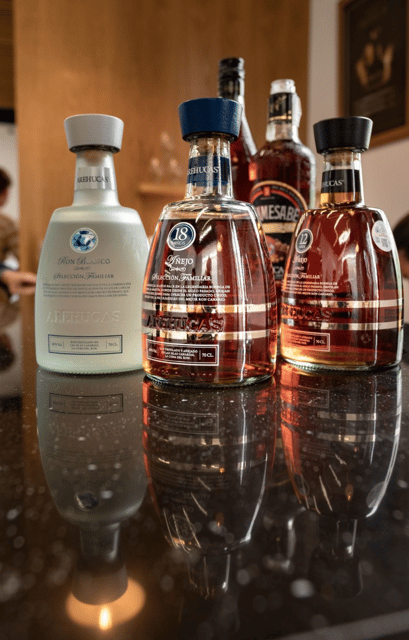
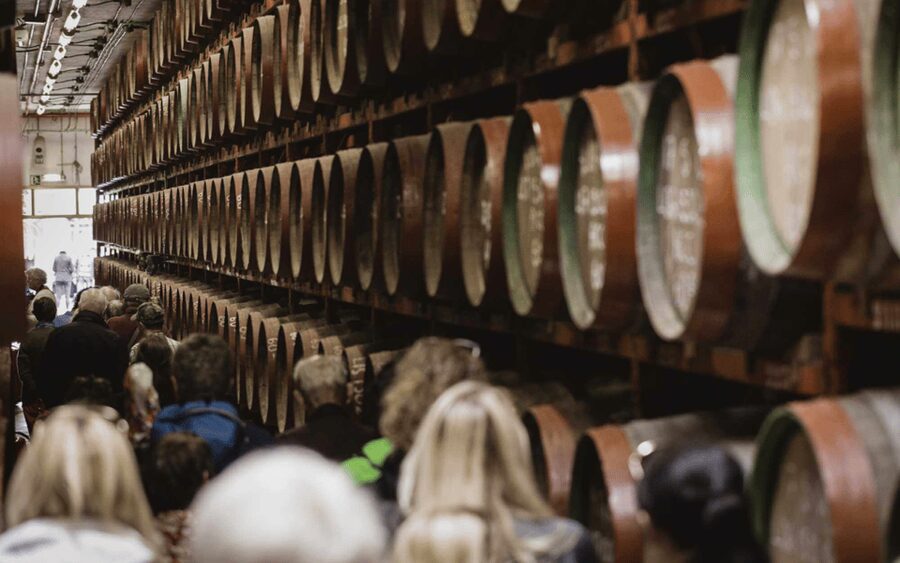
The Arehucas visit is often the day’s main attraction for anyone who enjoys spirits. In Arucas, you learn how sugar cane is fermented and distilled, then move on to a tasting of several rums and rum-based drinks.
The samples can be generous. You might try eight or more drinks, and some departures have included more than ten varieties, including older and more exclusive bottles. Carta Oro is one suggested sample, with a stronger flavor than the lighter options.
This is a real tasting, not just a tiny sip at the end of a factory corridor. That is good value, but it also means you should pace yourself. Bringing a soft drink such as cola or lemon-lime soda can be useful if you prefer not to drink rum neat. You still need to be ready for a full day after the tasting.
The distillery guides add another layer to the visit. Carla and Lis have been singled out for clear presentations, while the main tour guide usually helps connect the visit to wider island history.
The distillery tour is normally guided in English and German, with the wider excursion also available in Spanish. On some departures, the main guide translates into several languages. If you are seated at the back of a full coach, it may be harder to hear every comment.
One important exception: the rum factory is not visited during certain festivals. The itinerary can also change for reasons beyond the operator’s control, so do not book this day solely for the factory if that stop is your only priority.
Agaete, the optional lunch, and Playa de las Nieves
After the first visits, the group heads toward Agaete in northern Gran Canaria. The coastal stop gives you a change of rhythm after the indoor tastings and coach travel.
Lunch is not included. A set meal generally costs around €14 to €15, with options described as soup or salad followed by paella. The meal is convenient because the group can eat together, but it is not the strongest part of the excursion for everyone.
I would compare the cost and menu before committing. If you prefer more choice, you can use the free time to explore around the harbor and find food independently. Some people have skipped the set lunch to spend more time by Playa de las Nieves, a pebble beach and seaside area with a pleasant setting.
This stop is also useful for anyone who does not want a rushed meal. If the group takes lunch, the schedule is organized for everyone. If you bring your own food, you may have more freedom, including for vegan needs.
A few more rum tours around the world worth a look
- Eastern Madeira: Full-Day Tour with Rum Tasting
★ 4.7 · 1,575 reviews - San Juan: Casa Bacardi Distillery Tour
★ 4.7 · 1,363 reviews - Rum Tasting Tour at Casa BACARDÍ in Puerto Rico
★ 4.5 · 1,095 reviews - Rum Tasting and Food Walking Tour in Nassau Bahamas
★ 5.0 · 1,030 reviews
Wine, coffee, and mountain views near Agaete
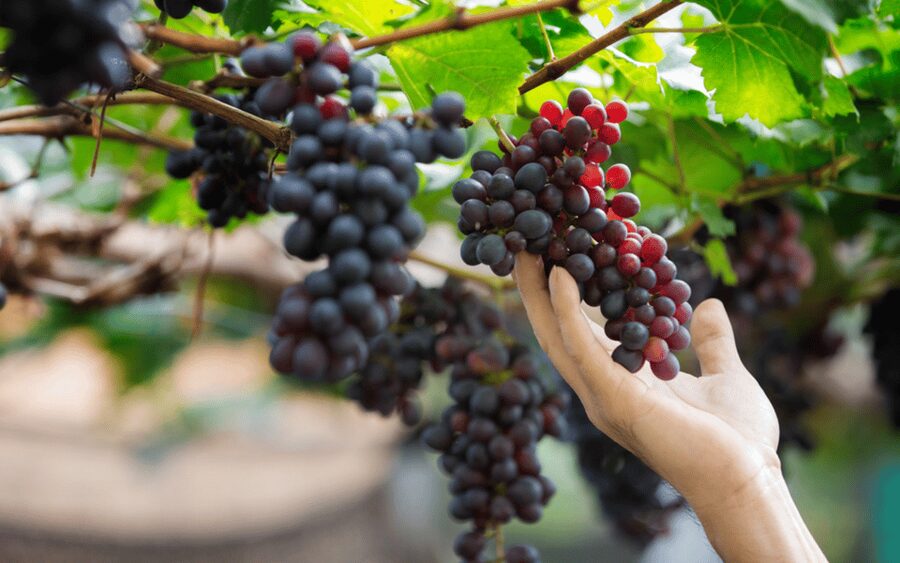
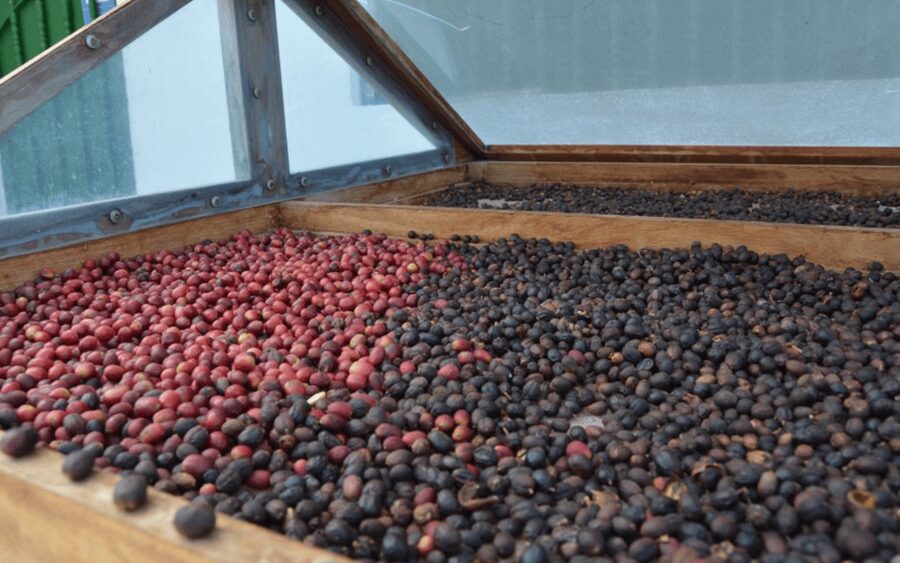
The final food stop takes you inland and uphill to a finca in the Agaete area. Here, the setting becomes part of the experience. You see vines and receive an introduction to wine production in volcanic soil, then taste several local wines.
The wine tasting generally includes three small glasses. That is enough to compare styles, but it is not a long professional tasting session. I would view it as an introduction to local varieties rather than a serious wine education course.
Coffee is also part of the visit. You learn about coffee growing in the area and receive a cup made from locally grown coffee. One point to keep clear: the coffee portion may feel more like a demonstration and a served drink than a broad tasting flight.
The views are a major reason to value this stop. From the hills above Agaete, you get a wider sense of the island’s agricultural setting and the relationship between steep terrain, small growing areas, and sea-level communities.
Making mojo canario with the group
The hands-on mojo workshop is the most social part of the day. You learn how to prepare the famous Canarian sauce, then eat it with small potatoes and other local foods.
This works well because you are not only watching a guide. You take part, mix the ingredients, and taste the result. It also gives people from different hotels and countries a chance to talk during the activity.
Mojo is a basic but important part of Canarian cooking, so this is one of the few elements you can carry home in a practical way. You can repeat the recipe later instead of simply buying a bottle at a shop.
The workshop also helps balance the more passive parts of the tour. The coach transfers and formal tastings can feel structured, while the sauce-making gives you something to do with your hands.
Guides, languages, and the group experience
The guides are a real strength here. Tom has led several departures and is praised for switching between English, German, Flemish, and Spanish while explaining the island’s past and present. Julia has also guided groups in Spanish, English, and German, and Yeray has been noted for a warm, capable approach.
That language skill matters. Much of the value comes during the transfers, when the guide explains Gran Canaria’s agriculture, food, and places along the route. The experience feels far less like a string of unrelated stops when those connections are explained.
Still, multilingual guiding has a practical downside. A presentation repeated in several languages takes longer, and the balance between languages may not always feel even. One English-speaking participant felt that more time was given to German. If you need every explanation in English, confirm the language arrangement before booking.
Group size can also vary. Some departures have used a comfortable minibus with around 15 people. Others have used a coach of more than 50. A small group usually means easier listening and less waiting, while a full coach can make the day feel rushed at the most popular stops.
Transport, pickup, and the time you really need
Transportation is included in a modern, air-conditioned bus, with pickup from listed tourist areas. The tour duration includes the return journey, so eight hours does not mean eight hours at the farms, distillery, and finca.
Pickup planning needs care. There is no pickup or drop-off in Las Palmas city or at the harbor. If you are staying there, you must make your own way to Parque Tropical in the south of the island, where the excursion collects you. The return is to the same pickup point.
The exact time and meeting point should be confirmed through the operator’s instructions and WhatsApp. The generic booking time is not the final word. You can request another available pickup point more than 24 hours ahead, but changes are not accepted at shorter notice.
Arrive early. If you miss the pickup, there is no refund or booking change. Bring weather-appropriate clothing, since the day moves between indoor facilities, open farm areas, the coast, and higher ground.
This outing is not suitable for wheelchair users, mobility scooter users, or anyone who needs a non-folding or electric wheelchair. It also involves walking and standing, so people with mobility limits should think carefully even if they do not use a wheelchair.
Is the $81 price good value?
I think the price is fair if you want variety and do not have your own car. The tour combines four distinct themes: banana farming, rum production, wine and coffee cultivation, and a Canarian cooking activity. Individual transport to all these places would be difficult to arrange in one day.
The value is strongest for people who enjoy tasting but also want explanation. You are not simply handed products. You learn where they come from, how they are made, and how they fit into island life.
Lunch and souvenirs are extra, so budget for those separately. The lunch price is modest, but you may prefer to use that money at the harbor. The tasting portions at the rum factory can also be larger than expected, so responsible pacing matters.
The price is less compelling if you dislike alcohol, long coach rides, or fixed group schedules. Bananas and mojo make up for some of that, but rum and wine are central to the day.
Who should book this Gran Canaria tour?
I would choose it for a first visit when you want to see more than the resort area without renting a car. It suits couples, solo visitors, and food-focused families with older children who can manage a long day.
You should also consider it if you like meeting people from different countries. The multilingual format and shared mojo workshop create a social atmosphere, though the coach may be large.
I would skip it if you need a quiet, flexible day or want long periods at each stop. The itinerary covers a lot of ground, and some visits may feel brisk. People with mobility problems should look for a different excursion.
Should you book it?
Book this tour if you want a well-filled day linking Gran Canaria’s food and farming traditions. The rum tasting, banana visit, and mojo workshop give the experience real variety, while the Agaete views provide a scenic change from factory and farm visits.
Before paying, check your pickup point, confirm the language, and ask whether your departure uses a minibus or a full coach. Bring water, dress for changing conditions, and decide in advance if you want the optional lunch.
For $81, I see it as a strong introduction to northern Gran Canaria, especially for first-time visitors who value local products more than famous sights. Just allow extra time for transfers, and do not expect a relaxed small-group tour on every departure.
FAQ
How long does the Gran Canaria Rum, Wines and Banana Tour last?
The tour lasts about eight hours, including the return transfers. Exact timings can change with pickup locations and road conditions.
What is included in the price?
The price includes transport, pickup from listed tourist areas, liability insurance, guided visits at the rum distillery and banana farm, rum and wine tastings, coffee tasting, and the mojo workshop.
Is lunch included?
No. Lunch is not included. A set meal generally costs about €14 to €15, or you can use the available free time to eat independently.
Where does the tour visit?
The route includes a banana farm or museum visit in Arucas, the Arehucas Rum Distillery, the Agaete area, Playa de las Nieves, and a wine and coffee finca where you make mojo canario.
Is the Arehucas Rum Distillery visited on every departure?
Not always. The rum factory is not visited during certain festivals, and the itinerary can change due to circumstances beyond the operator’s control.
What languages are available?
The tour is offered in English, Spanish, and German. Some guides can switch between several languages during the day.
Is hotel pickup included?
Pickup is included from listed tourist areas. There is no pickup or drop-off in Las Palmas city or at the harbor. Visitors staying there must travel to Parque Tropical in the south for collection.
Can I change my pickup point?
You can request a change to another available pickup point more than 24 hours in advance. Changes are not accepted with less than 24 hours’ notice.
Is the tour suitable for wheelchair users?
No. The tour is not suitable for wheelchair users, mobility scooter users, or people using non-folding or electric wheelchairs.
What should I bring?
Bring weather-appropriate clothing. Arrive on time at the confirmed pickup point, since missing the departure does not qualify for a refund or booking change.
Just added around the world
- Appleton Estate Rum Tour and Tasting from Falmouth★ 4.5 · 2 reviews
- Kombucha Rum and Craft Beer Private Tour★ 3.5 · 6 reviews
- Rum Tasting Experience in the Old Barrel House★ 4.5 · 9 reviews
- St Lucia Food & Rum Tasting – Rodney Bay Edition★ 5.0 · 10 reviews
- Soufriere Excursion with Rum & Chocolate Tasting★ 4.5 · 11 reviews
- Old San Juan and Rum Factory Full-Day Tour: Minimum 8+ people★ 5.0 · 10 reviews
- Rum & Chocolate Tasting Tour : Journey into Flavor★ 5.0 · 6 reviews
- Old San Juan Private Tour with Barrilito Rum Experience★ 5.0 · 4 reviews
Wine Tours, compared.
Banana Museum, Rum Distillery & Winery with Tasting: Premium tour
Read our review →
Banana Museum, Rum Distillery & Winery guided tour with tasting
Read our review →
Browse the lists this tour appears in